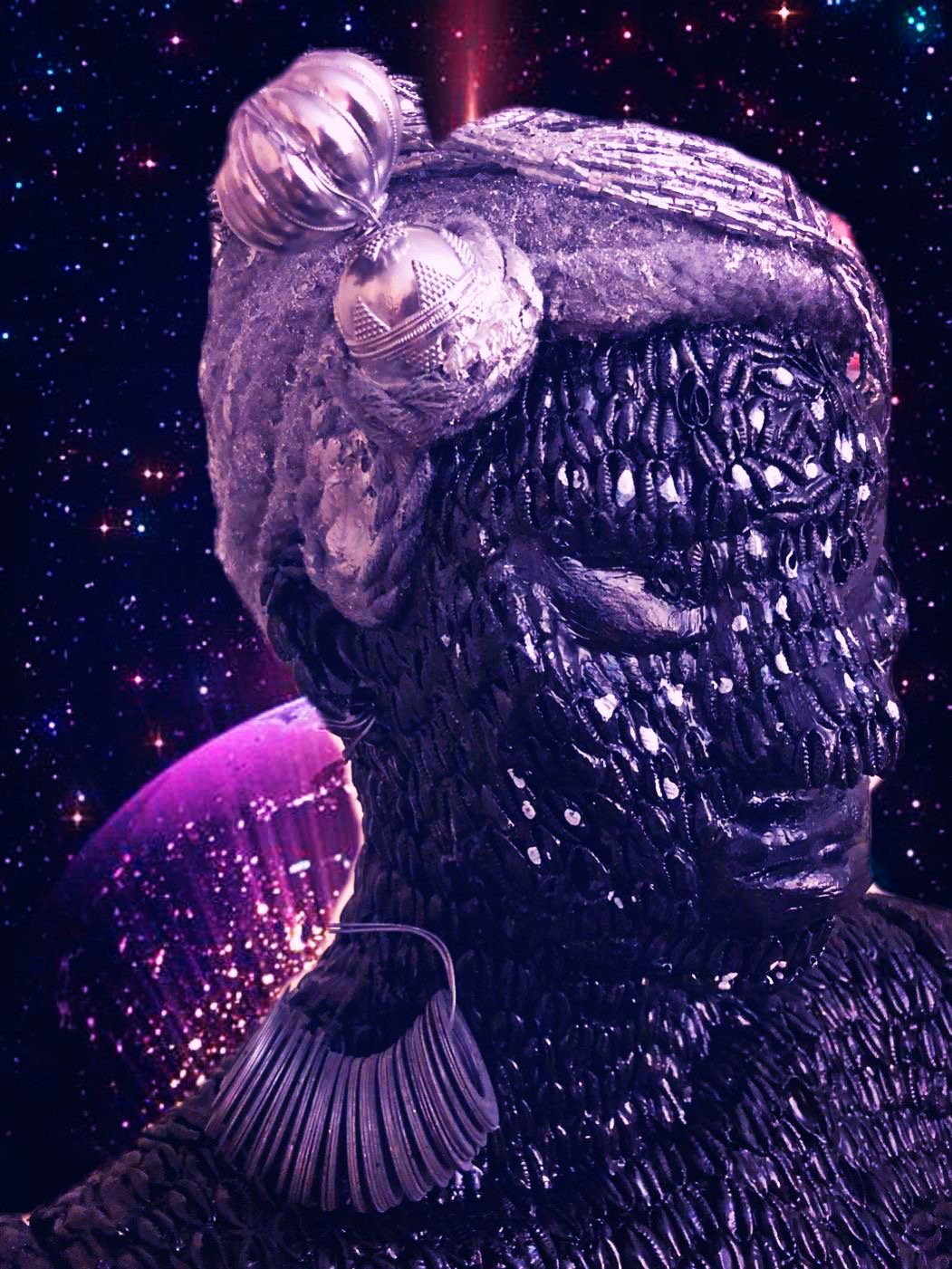
Obatala female incarnation in the future. Created by Gracie Berry, circa 2019.
Peace Beautiful People
I’m Gracie Berry, the creative force behind Shadowkeepers & Roothealers: The Original OG’s, a public altar series honoring ancestral guidance, Orisha, and the Ifa spiritual lineage that shapes my work. I was born and raised in North Philadelphia, moving between North and West Philly, and I grew up surrounded by a firehouse of local roothealers—quiet practitioners of Hoodoo, or rootwork, as I call it. My great grema Freda, mothers mother, grema Grace, and a few others, including one of my great uncles, guided me in witnessing rituals, ancestral veneration, and spiritual practices that honored life, nature, and the unseen forces around us.
I learned early how powerful this work could be. I remember my great grema Freda healing a man who rented a room in my grema’s boarding home from gout. She, grema Grace, and a few others, humming as they worked, used potatoes, corn liquor, grease, and intentional prayers to ease his suffering. By morning, the swelling that had once deformed his legs and feet had miraculously reduced. The potatoes that had encased his legs and hung above the doorway shrank into small prune-sized balls. My uncle swept them into paper bags and buried them as instructed. Witnessing this, crouched in the corner through the dim candlelight, shaped my understanding of what it meant to work with roots and ancestral power.
In my family, there were those who could speak with the departed and those who could foretell what was coming long before it arrived. Many carried ancient wisdom in their bones—knowledge of herbs as medicine, of conjuring and channeling the elements, of how to move with nature instead of against it. Some still carry these gifts quietly, waiting for the right season to remember. These practices, both whispered and embodied, live within me and guide my work as an artist and spiritual vessel.
While Hoodoo and Pentecostal Christianity shaped my early sense of spiritual practice and ancestral guidance, Christianity often felt confusing and alienating to my authentic self growing up. Everything seemed imposed, almost coercive, never fully my choice. I moved through it by force, going along as if swept along by something bigger than me, disconnected from my own will. It never felt aligned with my deepest wishes or with the rhythm of my life, as if I had been away from home too long.
Ifa, in contrast, feels like breath, will, and power. It feels like home. It is where I believe my ancestors reside in their truest form. My journey through Hoodoo eventually led me back to Ifa, a path I sense my ancestors acknowledged—or even practiced—in their time. Through this lineage, I feel connected to generations of ancestral wisdom and guidance.
The strength, resilience, and beauty of Black women courses through my DNA, carrying wisdom that shapes how I move, create, and bear witness in the world. This living inheritance guides my work, inspiring me to center Blackness and womanhood unapologetically—not as abstract ideas, but as embodied truth.
For me, centering Blackness feels like mindfulness meditation for Black folks—it’s become as natural as breathing. In a world where living while Black can literally cost us our lives, where capitalism, patriarchy, and racial microaggressions plague every facet of our existence with or without our consent, centering myself as a Black woman first and foremost helps me choose what’s best for me, always.
My time at Lincoln University of Pennsylvania—the first degree-granting HBCU—further rooted me in pride, community, and ancestral knowing. There, I deepened my understanding of my mother’s Afrikan roots, learned the language of self-determination, and began healing generational traumas that had been carried too long. My family of origin and my wider community continue to be sources of growth, pride, and self-discovery.
My deepest wish is for any art created from my experience to be steeped in truth. To inspire. To evoke feeling. To energize. To challenge. To interrogate systems of oppression and to reimagine narratives surrounding Black bodies, Black spaces, and Black divinity. My public altars invite viewers to engage with ancestral and spiritual presence in ways that are rarely visible in the West—offering reflection, reclamation, and restoration. Where traditional Christianity calls people inward to a private altar, my work creates a public altar call—for everyone to see, contemplate, and connect with their own truths.
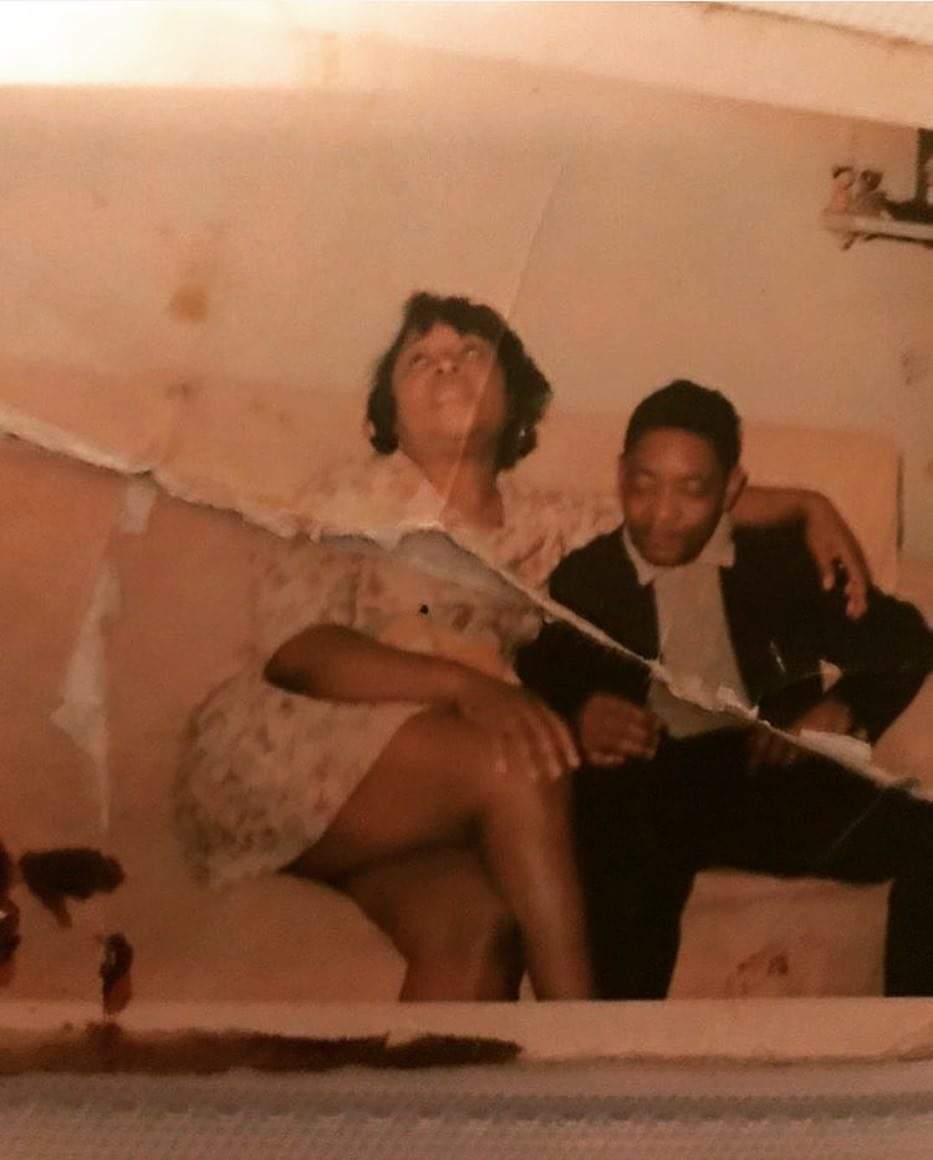
My great-grema Freda May Tyler Stewart in her younger years, pictured with an unknown gentleman.
From Ancestors to Altar: The Works of Shadowkeepers & Roothealers
An homage and Afro-futurist altar to Obatala, Olokun, and Orunmila — three of the eldest Orisha gods and the ancestors that radically nourished, transformed, and sustained the lives of those in the Afrikan Diaspora throughout the world. The title, “The Original OG’s,” is a deliberate play on words, honoring both the Orisha and how Black communities revere OG’s — those whose wisdom, power, and guidance shape generations.
Drawing from this foundation of ancestral guidance and spiritual practice, Shadowkeepers & Roothealers: The Original OG’s manifests as a public altar series honoring the eldest Orisha and the unseen forces that shaped our world. Each piece embodies the energy, wisdom, and protection of the Ifa lineage, highlighting Orisha who oversee creation, divination, and the elements. These are not abstract representations—they are living, breathing, Afro-futurist depictions meant to awaken ancestral memory and spiritual reflection.
This series is a homage and altar to Obatala, Olokun, and Orunmila, the divine triad said to have birthed the foundations of life and wisdom. Within the work, these Orisha coexist with figures like Oshun, Mama Ubuntu, Oya, Zina, and Niyaha, each holding a portal to lineage and legacy:
-
Oshun and Mama Ubuntu embody the sweetness of healing, sensuality, and humaneness — invoking care, abundance, and feminine power.
-
Oya and Ausa Uhsa represent transformation and the fierce winds of change, ushering in renewal and clarity.
-
Zina connects to Egungun, embodying ancestral presence and collective memory.
-
Biyaha honors Olokun, the deep, vast, and knowing waters where the stories of the Middle Passage still echo.
Each altar is layered with cowrie shells, sacred to both Ifa and the Afrikan diaspora. To me, they represent the ocean’s voice, ancestral currency, and a form of living memory — each shell a whisper from the deep.
This body of work also honors the Pullman Porters, whose dignity, labor, and resilience moved across the Keystone lines that now connect my work to the Keystone Amtrak station where it is exhibited. Ogun, Orisha of iron, labor, and protection, flows through their work — their hands, their tools, and their commitment embody both ancestral endurance and the transformative power of creative and physical labor. By centering Ogun alongside the Porters, the altars recognize how ancestral force, human effort, and spiritual protection intersect in the everyday work that sustains communities and builds legacies. Their service represents a bridge between ancestral endurance and modern movement — a rhythm of survival, reclamation, and generative power.
In the public art phase of this project, my research led me deep into the stories of both Orisha and human ancestors — those who toiled, healed, built, and imagined worlds beyond the violence of their time. This process was profoundly collective. Each altar became a vessel for voices that wanted to be heard again, a conversation between the living and the dead, the seen and unseen.
In the words of Bayo Akomolafe, “We are like water — are homeless, seeking shape only through what we touch.” That truth moves through this work. Each altar seeks not to fix spirit in one form, but to let it flow — to honor the shifting, fluid nature of Black life, divinity, and imagination.
Through Shadowkeepers & Roothealers, I hope to make visible the power, grace, and depth of our lineages — ancestral, cultural, and spiritual. These altars are living spaces of reflection and connection. They ask us to remember who we are and who we come from.
This exhibition is both a homecoming and a call to action:
-
To honor the wisdom of the past.
-
To embody it fully in the present.
-
And to imagine futures where our histories, our bodies, and our spirits are celebrated without apology.
Afrofuturism and Spirituality While Reimagining Technology
Shadowkeepers & Roothealers exists at the intersection of ancestral wisdom, lived spirituality, and Afrofuturist imagination. While the term “Afrofuturism” was coined by Mark Dery in 1993 in his essay “Black to the Future” to describe Black speculative thought and artistic practice, its roots extend much deeper. Long before the term existed, Afrikan ancestors in Kemet (modern-day Egypt) built the pyramids of Giza and developed systems of knowledge, architecture, and science that have never been fully replicated. This is ancestral intelligence that looks both backward and forward—a kind of “back to the future” brilliance that informs everything I do. The concept was later expanded by visionaries such as Sun Ra, Octavia E. Butler, and Kodwo Eshun, and today it continues to shape how I approach spiritual, creative, and communal work.
Through this lens, my altars become portals: spaces where the sacred and the speculative meet. Drawing from Ifa, Orisha, and roothealer lineages, these works activate ancestral memory, evoke spiritual presence, and expand perception beyond the limitations of time and material reality. They imagine a form of public technology—not digital, but spiritual and communal—that allows anyone who encounters the work to interface with the invisible, the historical, and the future simultaneously.
Cowrie shells, mixed media, textiles, and sculptural forms function as conduits for this “technology of the spirit,” creating portals that connect viewers to collective memory, ancestral power, and imaginative possibility. Each altar is layered with elements honoring Obatala, Olokun, and Orunmila, the eldest Orisha gods, as well as Oshun, Mama Ubuntu, Oya, Zina, and Biyaha, each carrying ancestral energy and lineage. In this way, the altars themselves become instruments of Afrofuturist practice: activating reflection, reconnection, and reimagination for all who engage with them.
By blending the metaphysical with the material, the ancestral with the futuristic, Shadowkeepers & Roothealers demonstrates that technology and innovation are not only mechanical or digital—they can also be spiritual, embodied, and deeply relational. This is a technology of care, of memory, of imagination—a system built not to control, but to liberate consciousness and honor the continuum of Afrikan life, lineage, and cosmic intelligence.
West Afrikan Mythology
My exhibit centers on Afrikan mythology because it offers one of the most sophisticated spiritual frameworks for understanding creation, humanity, and the forces that govern life. Its influence spans Cameroon, Benin, Gambia, Ghana, Niger, Nigeria, and Sierra Leone, and it has journeyed through the Afrikan Holocaust (Maafa) to Brazil, Cuba, Guyana, Haiti, Barbados, Trinidad, South America, and other Caribbean nations.
Yoruba traditions are particularly rich in artistic fables and creation truths, offering a pantheon of Orishas—divine beings who guide, protect, and teach. Orisha operate in ways similar to angels in Christianity, Islam, and Judaism. Olodumare, for example, is the highest Orisha, the God of all creation, whose breath gives life to living beings. He crafted the universe inside a calabash, and his role is as revered as Brahma in Hinduism or Elohim in Christianity. As Dr. Jacob Olupona, Nigerian professor and scholar, reminds us, “Afrikan spirituality simply acknowledges that beliefs and practices touch on and inform every facet of human life, and therefore cannot be separated from the everyday or mundane.”
Within this mythological framework, my work also foregrounds roothealer figures—Zina, Biyaha, Ausa Uhsa, and Mama Ubuntu—who are distinct from Orisha but no less vital to ancestral practice and spiritual memory. These figures embody lived, accessible power: they speak with the dead, foretell events, channel the elements, conjure, heal, and transform. They guide the human connection to Orisha while remaining rooted in daily practice, bridging ancestral wisdom with the material world.
By positioning both Orisha and roothealers together, the altars in this exhibition demonstrate how myth and lineage, cosmic power and lived practice, co-exist and inform each other. Roothealers ground the abstract wisdom of the Orisha in tangible, experiential ways, creating a space where the sacred, the speculative, and the historical converge.
The Shadowkeepers: Our Divine Orisha
As I explored Afrofuturism, I was drawn to the eldest Orisha, imagining a world where gender is fluid, power is collective, and the ancestral past guides the present. This journey led me to focus on Obatala, Olokun, and Orunmila, whose energies form the foundation of life, wisdom, and spiritual authority.
OBATALA
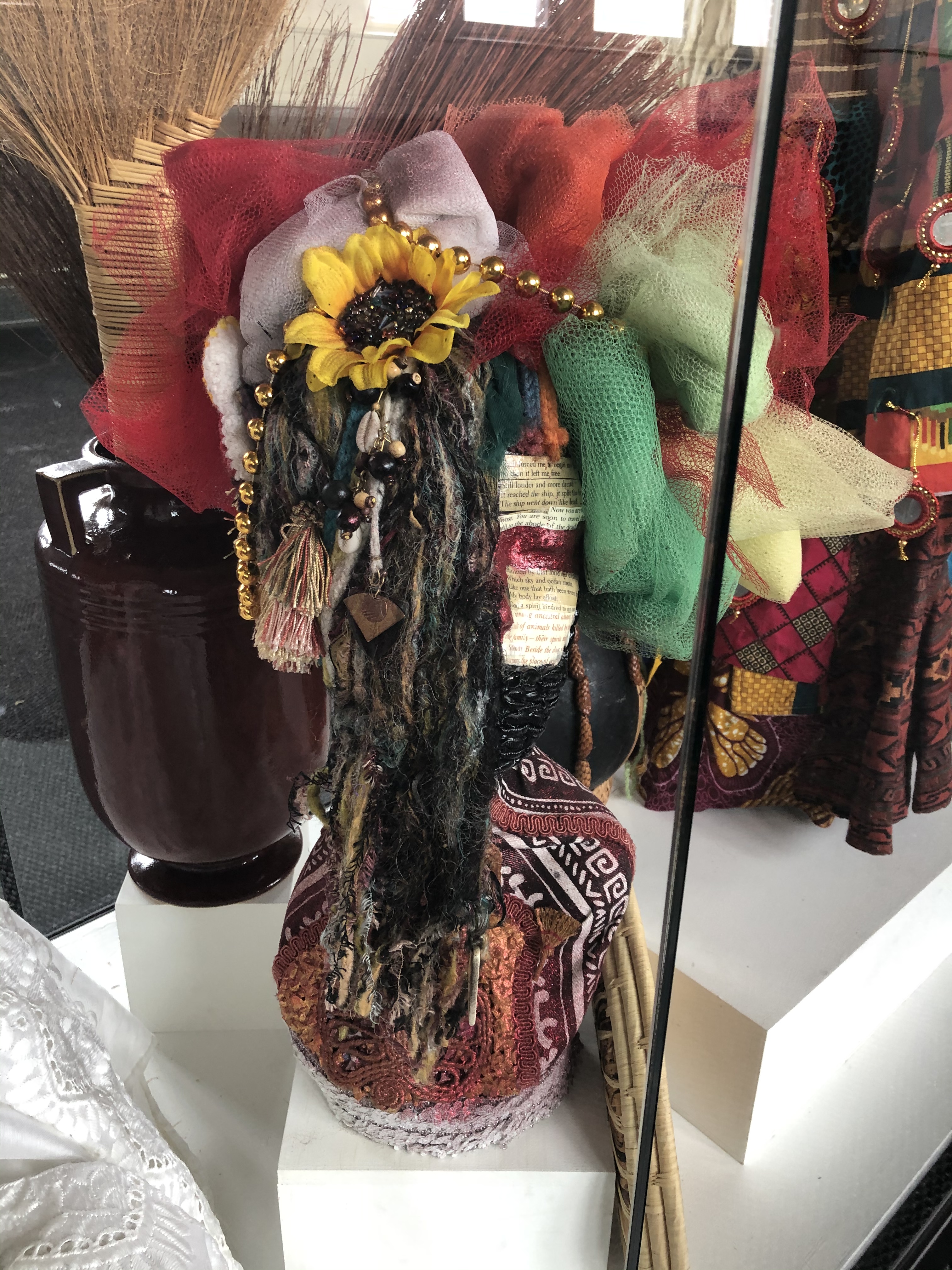
Obatala, the king of the white cloth and creator of humankind, is represented here in their female path, though they can also be male or possess both male and female pathways. They embody justice, peace, truth, and purity, and are married to Yemonja, goddess of life and godmother of Orishas. Obatala’s compassion stems from their own experience with imperfection, modeling a divine form that transcends gender while nurturing humanity. On the altars, Obatala is accompanied by eggs, almond flower, taw coconut, white and silver cloths, carved figurines, candles, palm nuts, sandalwood incense, and the Nguni cowtail, each reflecting their authority, guidance, and protective energy.
OLOKUN
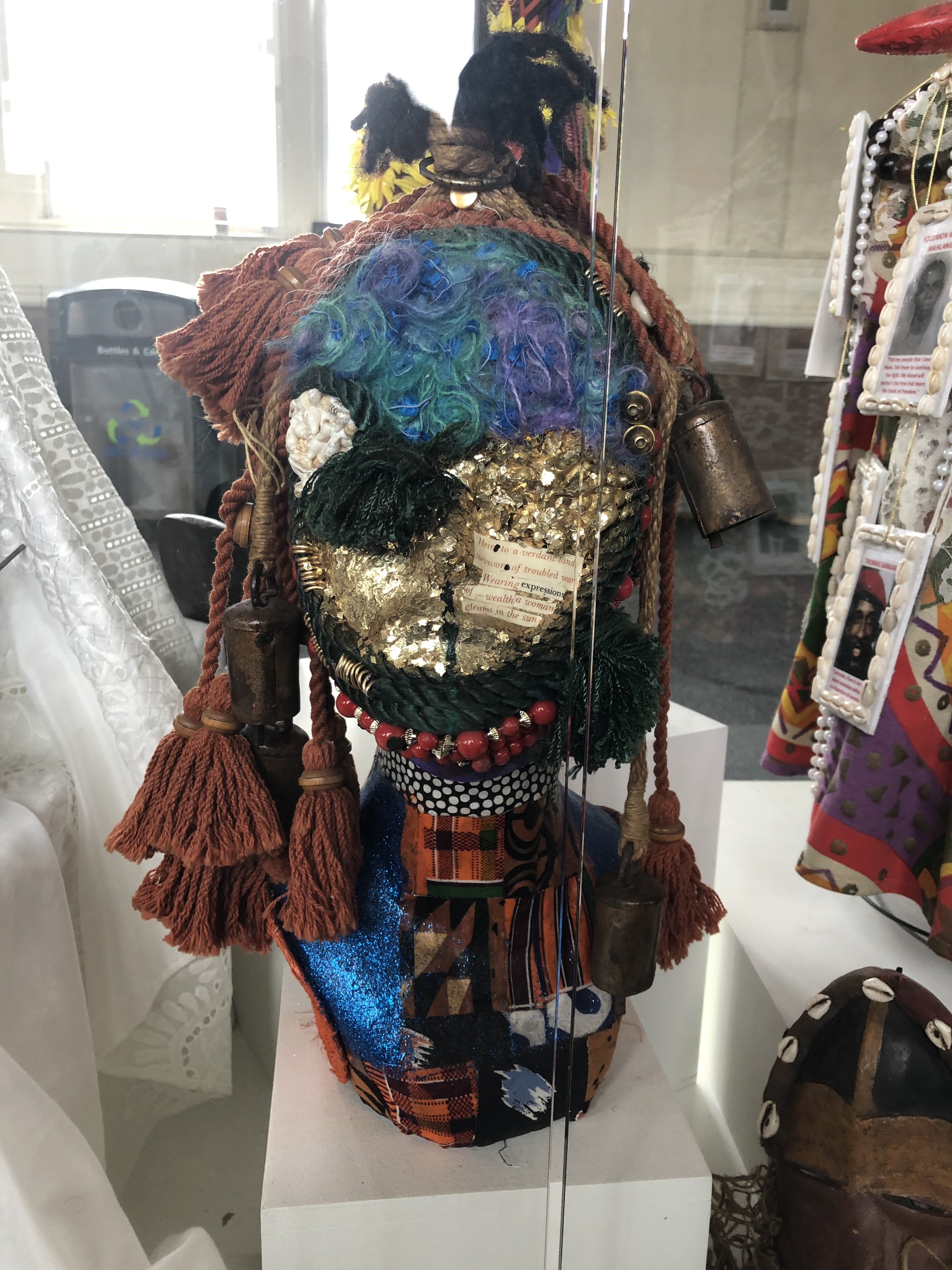
Olokun, owner of the deep ocean, is represented here in the female path, though they can also be male depending on region or spiritual interpretation. Guardian of the mysteries of the ocean and of ancestors lost during the Maafa, Olokun governs wealth, prosperity, meditation, dreams, and the healing of past, present, and future. On the altars, Olokun is accompanied by cowrie shells, deep-blue and black fabrics, a fruit, a peacock glass vase, sunflowers, reflective water vessels, and the Nguni cowtail, each evoking ancestral power, oceanic mystery, and diasporic resilience. Blue candles and incense honor Olokun’s essence.
ORUNMILA
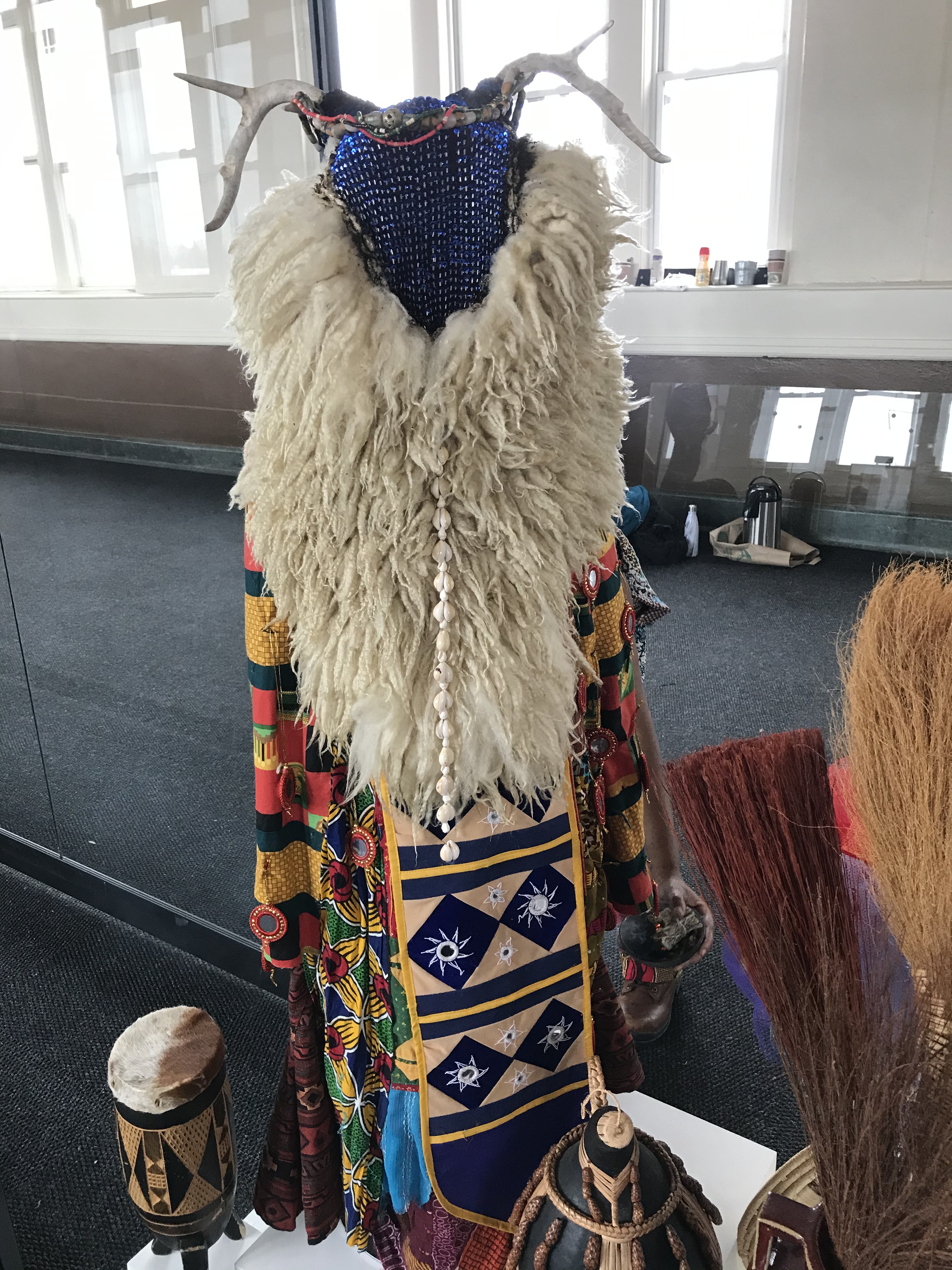
Orunmila, eldest son of Olorun and master diviner, is the prophet and keeper of wisdom. Through Odu Ifa, Orunmila imparts spiritual knowledge and ethical guidance, both in physical form and through disciples. He represents foresight, miracles, and the enduring voice of ancestral counsel in the Diaspora. On the altars, Orunmila is recognized through his opele necklace, divination plate, a slice of cake, green, yellow, and brown fabrics, candles, and incense, which signal his insight, protection, and guidance.
These eldest Orisha interact with figures I call roothealers—Zina, Biyaha, Ausa Uhsa, and Mama Ubuntu—who are not Orisha themselves but channel ancestral power through conjuring, herbal medicine, veneration of the departed, and attunement to elemental forces in nature. Their practices mirror, honor, and extend the energies of Obatala, Olokun, and Orunmila, creating a bridge between living memory and spiritual lineage.
See gallery of Orisha below

Obatala as Female Pathway, created by Gracie Berry, circa 2019. Photo by Shelby Wormley.

Olokun as female pathway, created by Gracie Berry, circa 2019. Photo by Shelby Wormley.
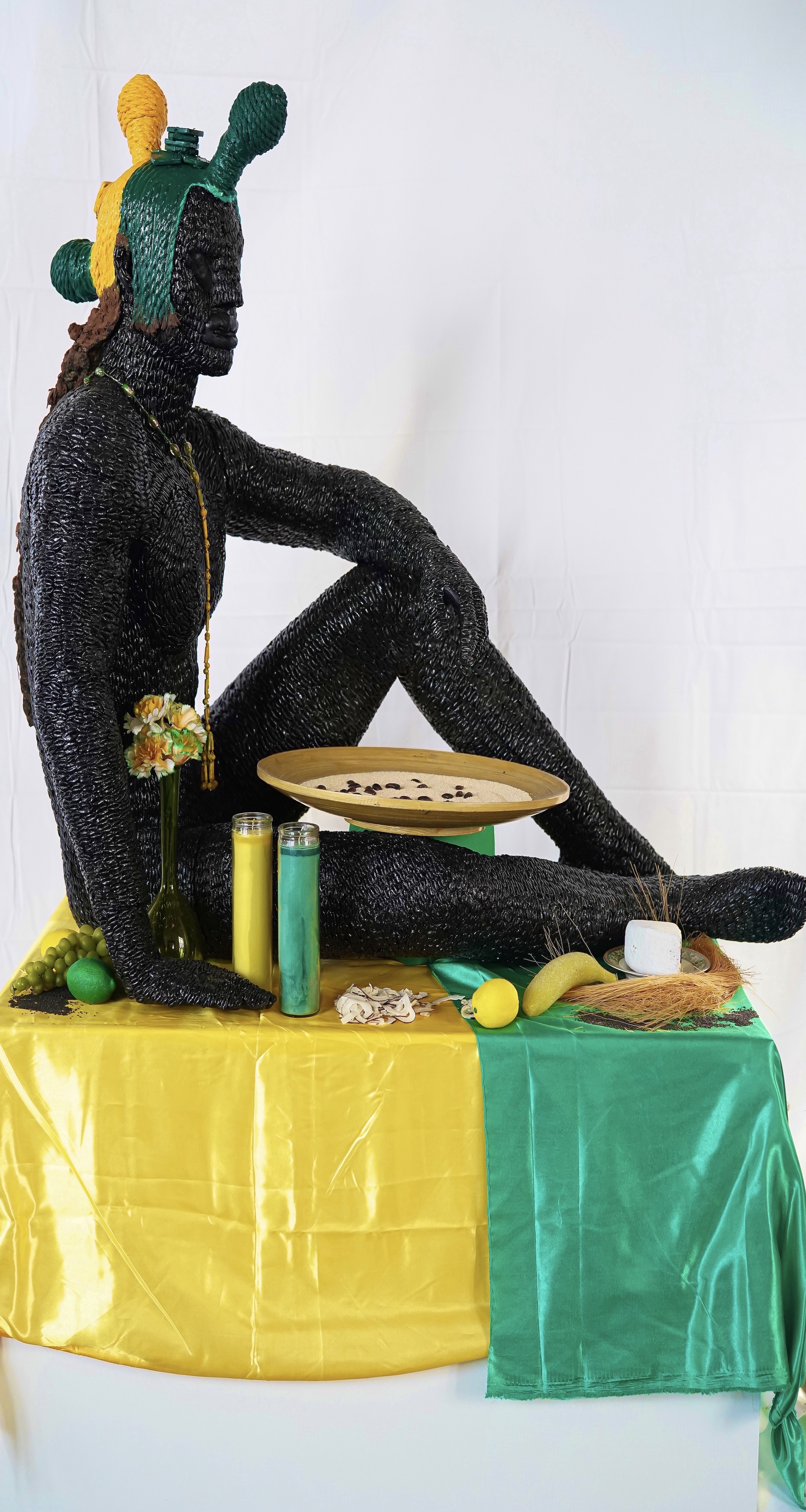
Orunmila, created by Gracie Berry, circa 2019. Photo by Shelby Wormley.
Roothealers: Our Beloved Ancestors
Mama Ubuntu is the first of four dream-inspired pieces from my series AfrikanFace: Autochthonous Blood & Bone. She embodies the resilience and enduring spirit of those who fought for liberation, justice, and the survival of Afrikan peoples—Winnie Mandela in South Africa, Afeni Shakur in Harlem, Thomas Sankara in Burkina Faso, and Steve Biko under apartheid. She holds space for countless others whose lives shaped our world: Kwame Ture, Patrice Lumumba, Marsha “Pay It No Mind” Johnson, Zora Neale Hurston, Ntozake Shange, Amiri Baraka, Sun Ra, and Toni Morrison.
Adorning her belt are symbolic representations of these ancestors, literally surrounding her and rooting her to the ground. They serve as a visible reminder of how ancestral wisdom, courage, and collective memory support and sustain life across generations. Mama Ubuntu is both a vessel and a witness—honoring the unseen, keeping the fight alive, and connecting the past to the present through creativity, resistance, and care.
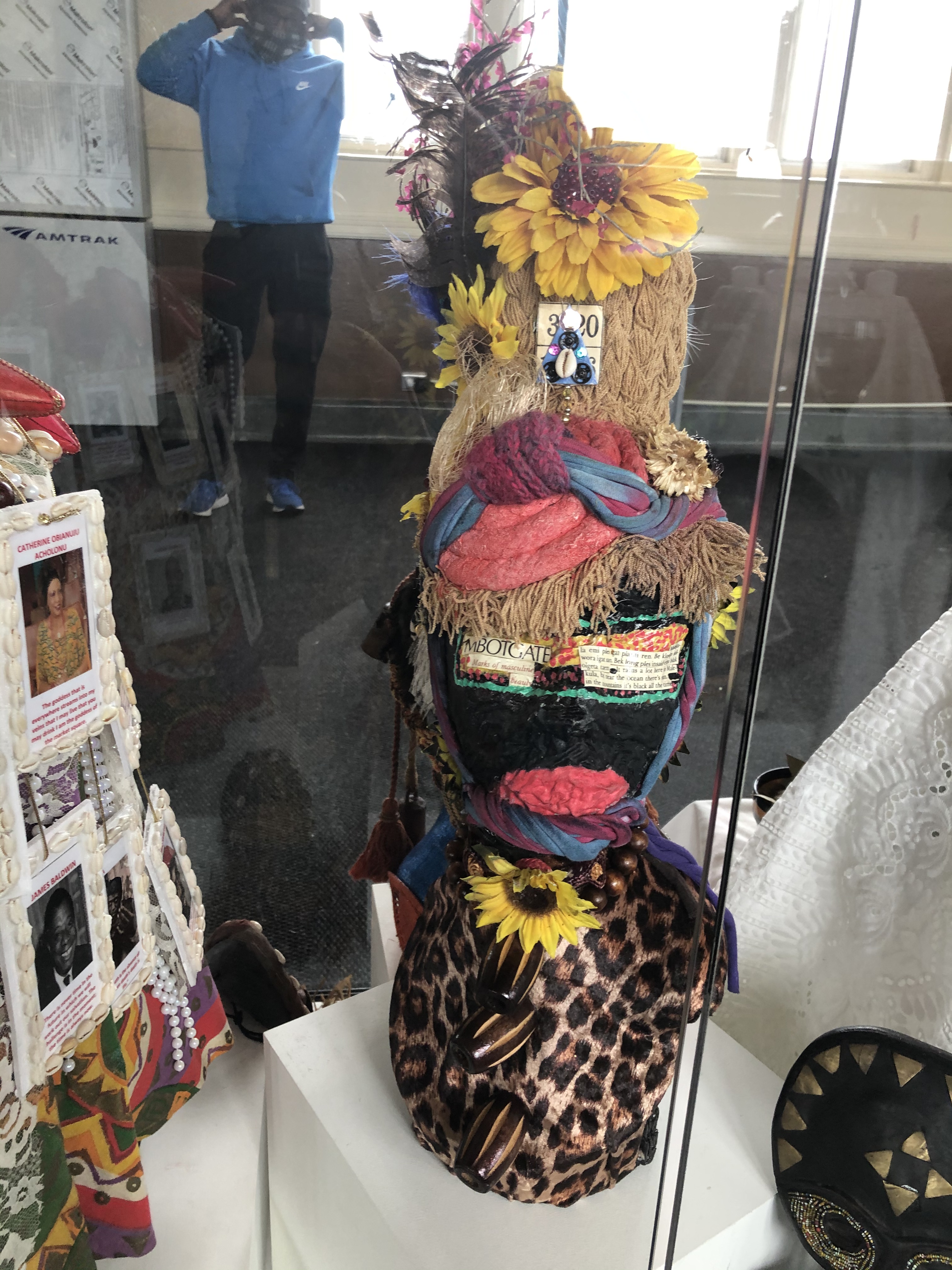
Biyaha, 2015 — “Deep Water”
This bust honors Olokun, the Orisha of deep, dark ocean waters, wealth, and mystery. The poem on her face by TheeAmazingGrace speaks of surrender to the sea during the Middle Passage, embodying ancestral sacrifice, resilience, and the enduring flow of diasporic memory.
Zina, 2014 — “Secret Spirit”
Zina honors Egungun, the ancestral keeper bridging past and present. Reflecting my mother’s family journey from Sierra Leone, West Afrika, to Barbados, Norway, South Carolina, and Philadelphia, she embodies the living legacy of ancestors reimagined through an Afrofuturist lens. Her hair, crafted from my first set of locs, carries memory, transformation, and self-possession across time.
Ausa Uhsa, 2014 — “It’s Raining”
This bust channels Oya, Orisha of storms, change, and rebirth. A poem, paper-mâché’d onto her face, reveals her truth: where she lives, it rains and storms constantly, and she loves it that way. Ausa Uhsa celebrates beauty in transformation and softness within the storm.
Mama Ubuntu, 2014 — “Humanity Towards Others”
Created to honor the human likeness of Oshun, this piece celebrates generosity, grace, and interconnectedness. Adorned with photos of ancestors and their quotes, she is grounded in lineage and community. Gold accents shimmer across her body, while her fan-shaped headpiece evokes wisdom. African Ankara fabric and my quote, “We Come from Someplace,” adorn the back.
Egungun, 2019
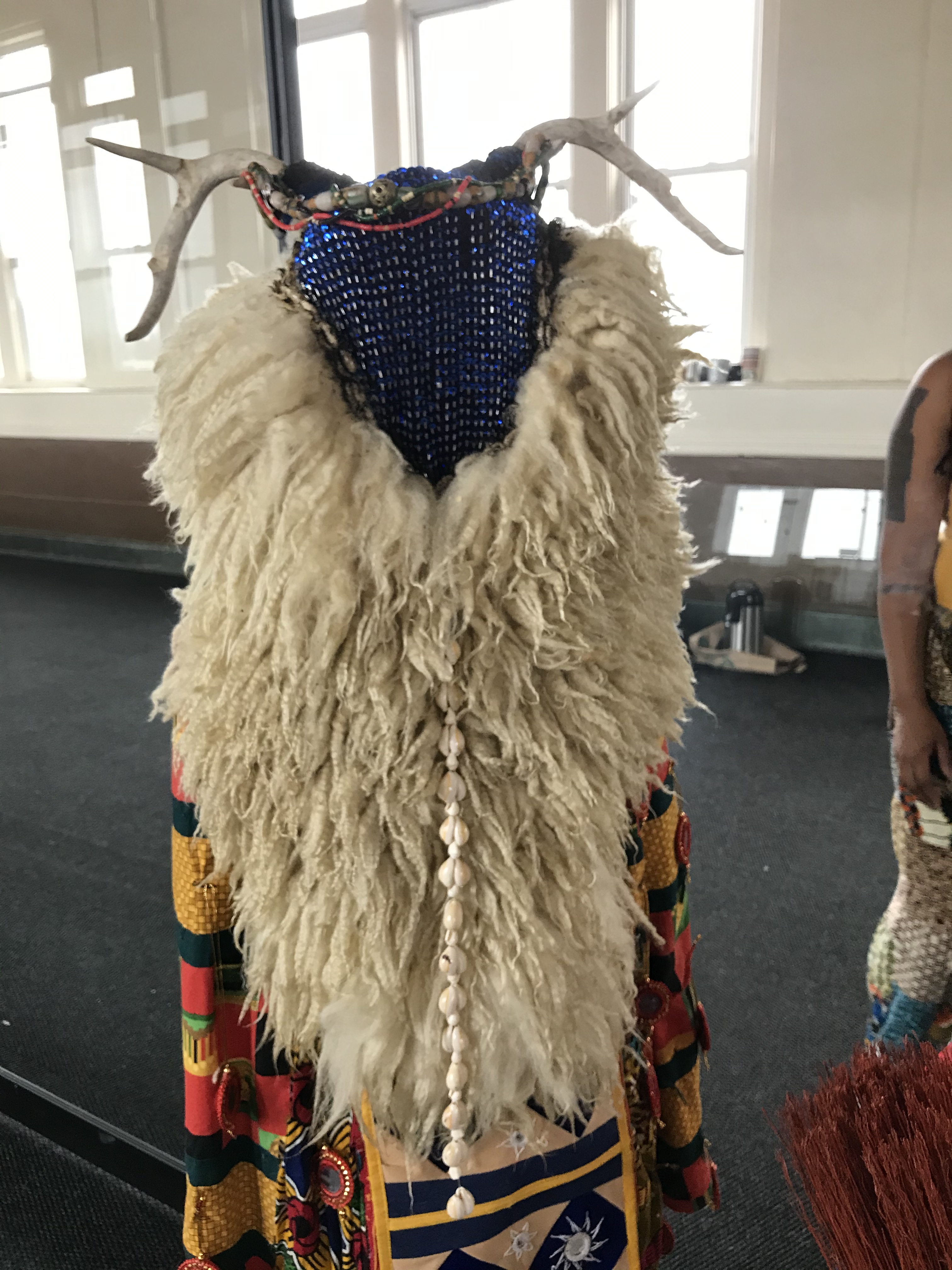
Created for my ancestors to come through, this Egungun honors lineage, memory, and ancestral guidance. It serves as a vessel for the presence of those who came before, embodying their protection, wisdom, and enduring spirit.
REFERENCES
Books
Afrofuturism: The World of Black Sci-Fi And Fantasy Culture by Ytasha L. Womack
Obatala: The Greatest and Oldest Divinity by Olayinka Adewuyi
Olokun of the Galaxy by Esther Iverem
On the Orishas’ Roads and Pathways: Obatalá, Odúa, Oduduwá by Miguel W. Ramos
Powers of the Orishas: Santeria & The Worship of Saints by Migene Gonzalez Wippler
The Handbook of Yoruba Religious Concepts by Baba If a Karade
The Way of the Orisa : Empowering Your Life Through the Ancient African Religion of Ifa by Philip Neimark and Philip J. Neimark
Yoruba-Speaking People’s of the Slave Coast of West Africa: Their Religion, Manners, Customs, Lawd, Etc. (Forgotten Books) by A.B. Ellis
Videos
Bayo Akomolafe-https://www.youtube.com/watch?v=xIr2hOMVhIc&t=5s
Joseph Baba Ifa-https://www.youtube.com/watch?v=I2-mheArnwk
Ogunda Meji 9-https://www.youtube.com/watch?v=OOg14RZe50g&t=21s
Orunmila: Witness to All Choice of Destiny-https://www.youtube.com/watch?v=F2cgfWZnAa8
Who is Obatala-https://www.youtube.com/watch?v=7EcNe0i1Vcs
Who is Olokun-https://www.youtube.com/watch?v=jGokjxjFgVY
Websites
http://www.aawiccan.org/site/Obatala.htl
https://ancientamerica.com/kusheshiobatala-the-inventor-of-ogam/
https://www.huffpost.com/entry/obatala-the-sweetest-god-_b_9817068
https://kwekudee-tripdownmemorylane.blogspot.com/2013/09/obatala-festival-honoring-orisha-deity.html
https://www.originalbotanica.com/blog/orisha-orula-orunmila-santeria/
https://www.originalbotanica.com/blog/the-orishas-olokun/
https://oshunschild.com/2018/08/01/reporting-from-cuba-review-on-the-orishas
Afrofuturism: Everything and Nothing
https://risdmuseum.org/manual/445_cloth_as_metaphor_in_egungun_costumes
http://www.scielo.org.za/scielo.php?script=sci_arttext&pid=S0041-476X2017000200008
https://sohe.wisc.edu/research-development/centers-of-excellence/cdmc/textile-collection/textile-resources-2/featured-textiles
https://www.utpjournals.press/doi/abs/10.3138/uram.11.3.233
Home
https://yorubaperformance.weebly.com/the-image.html
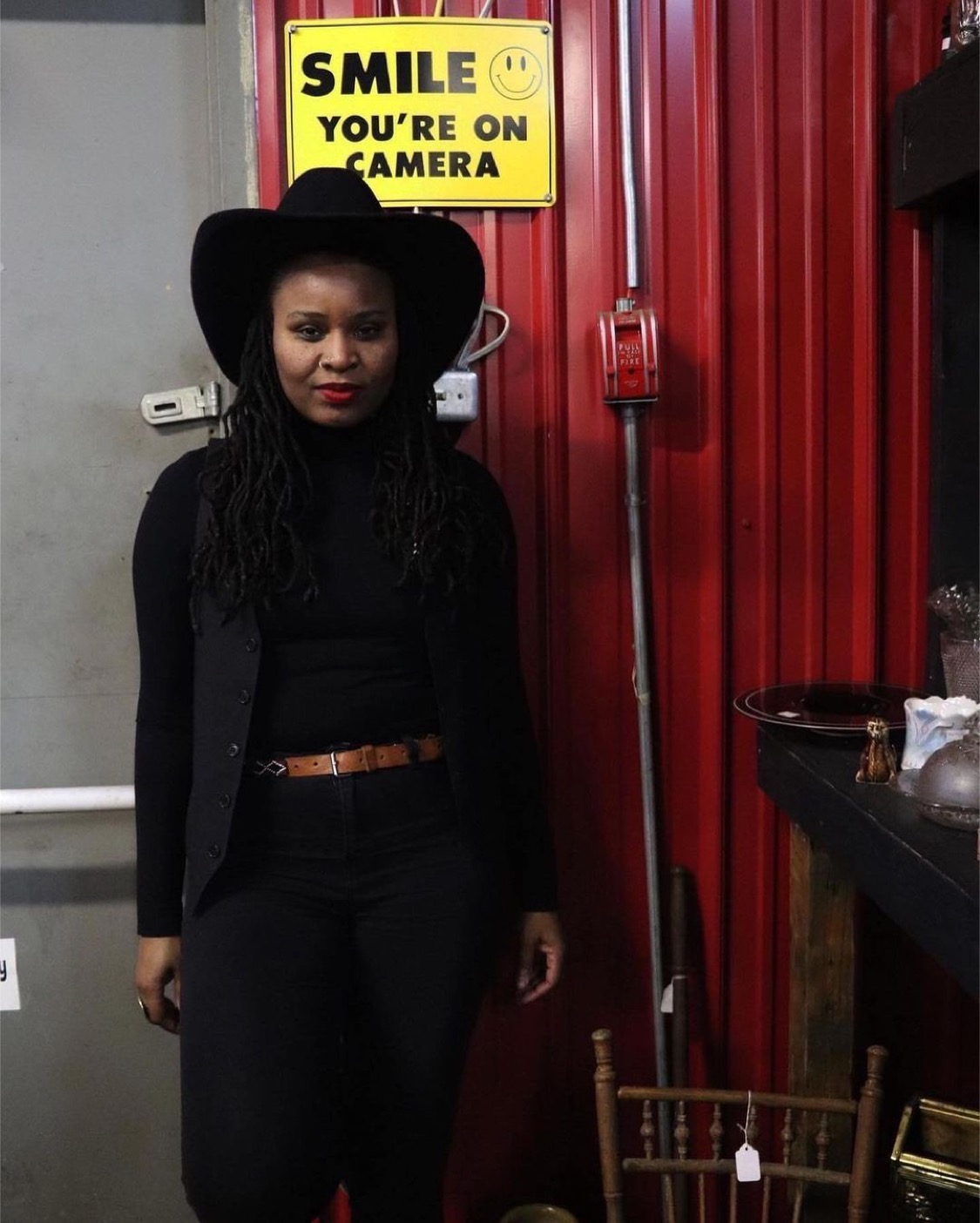
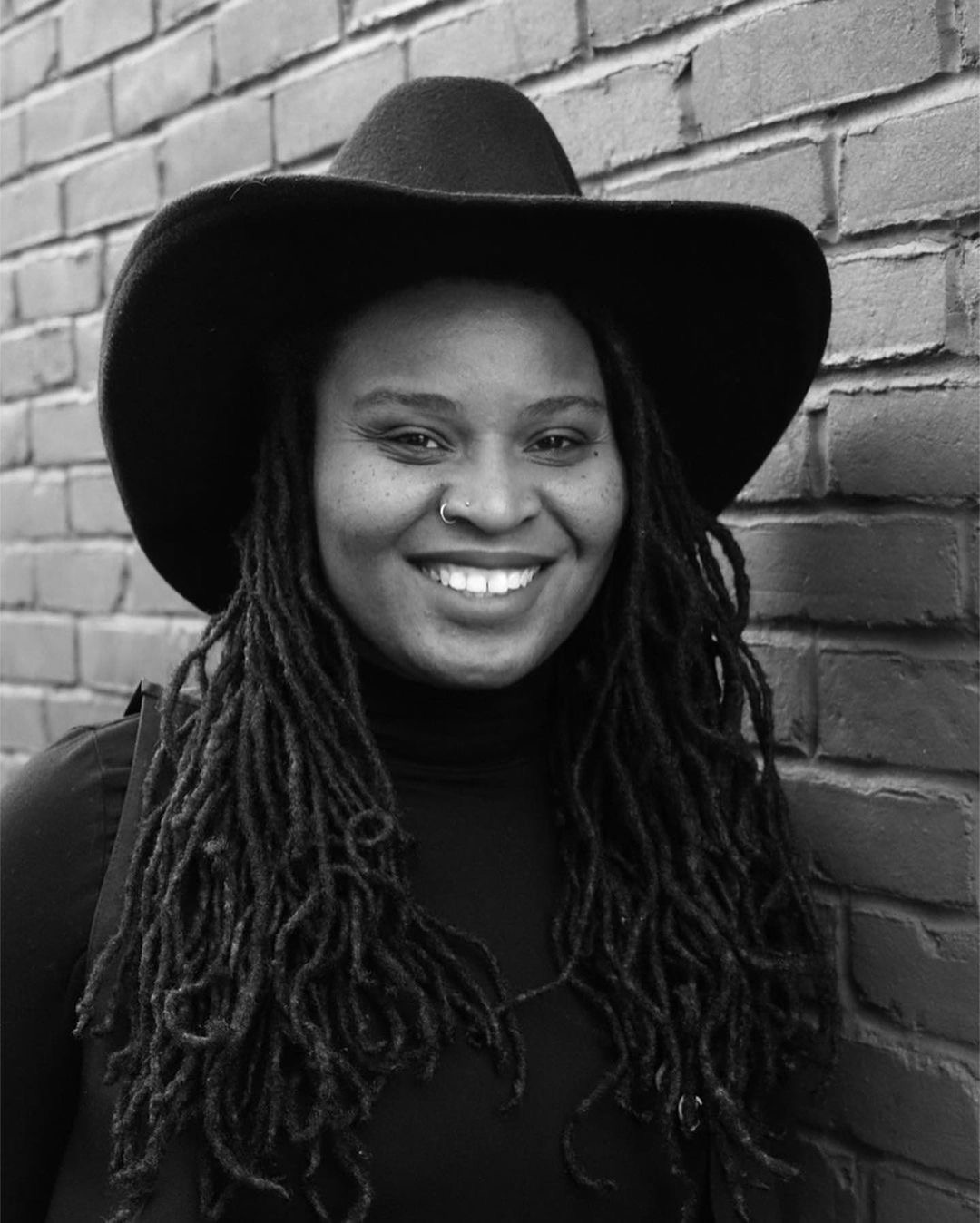
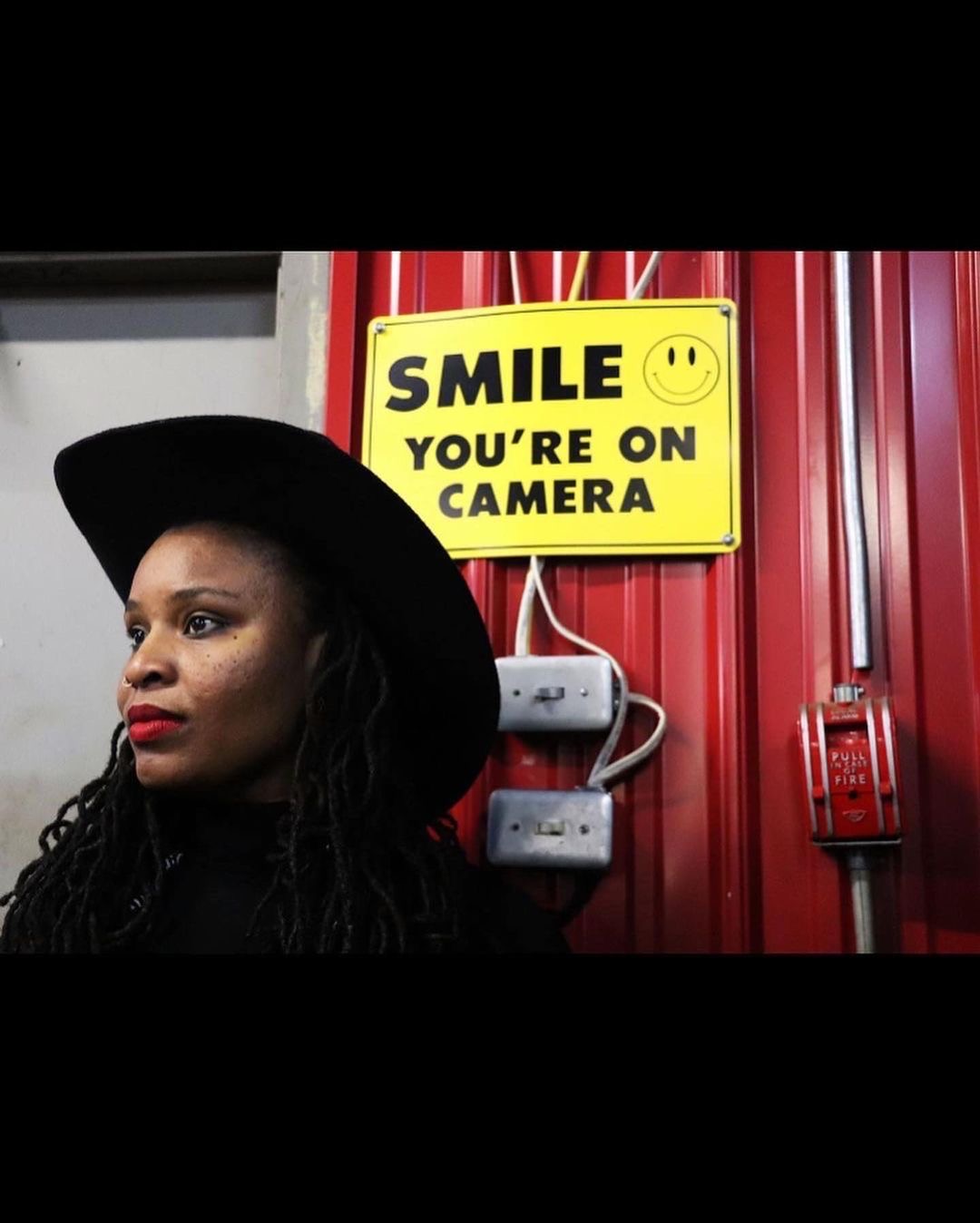
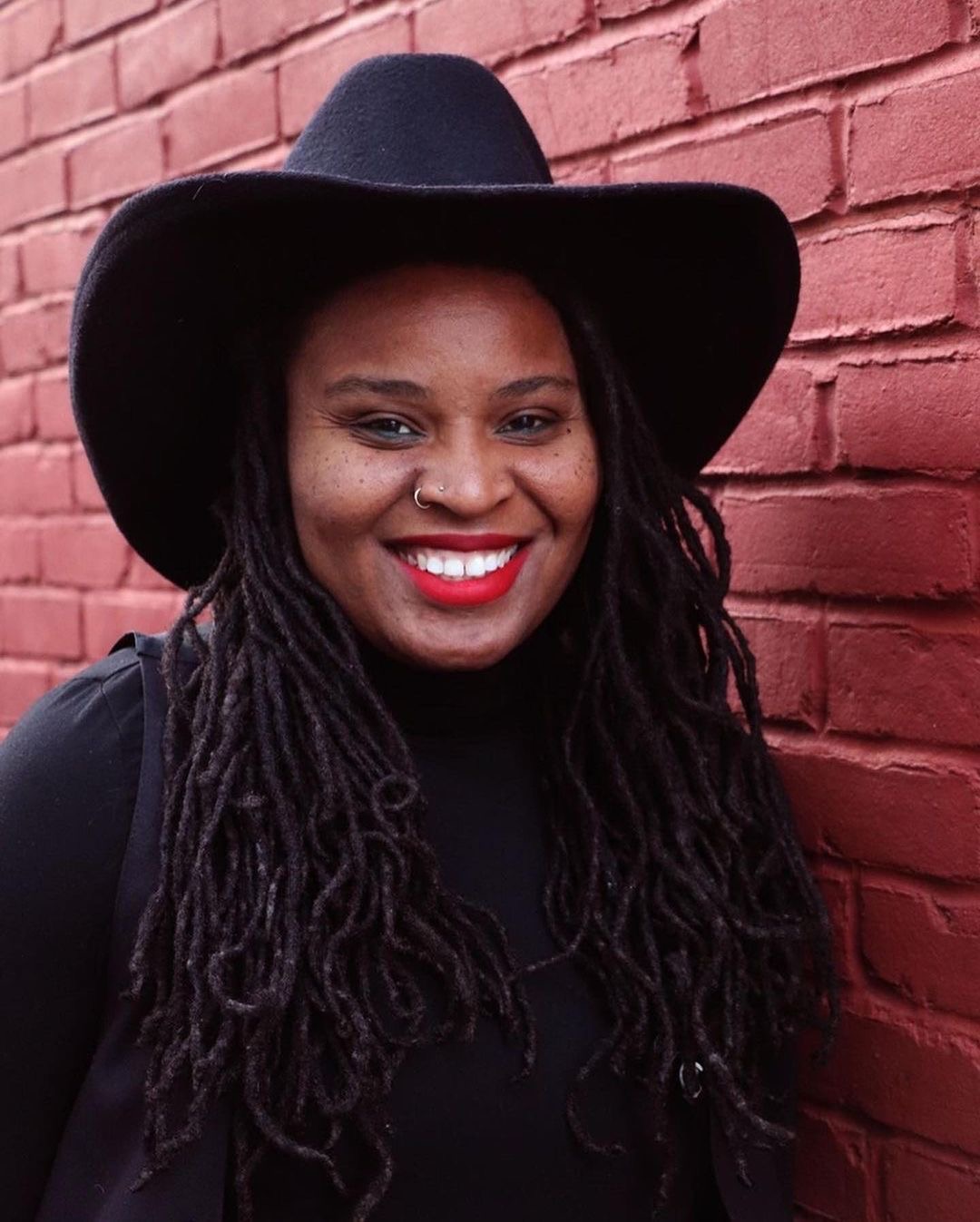




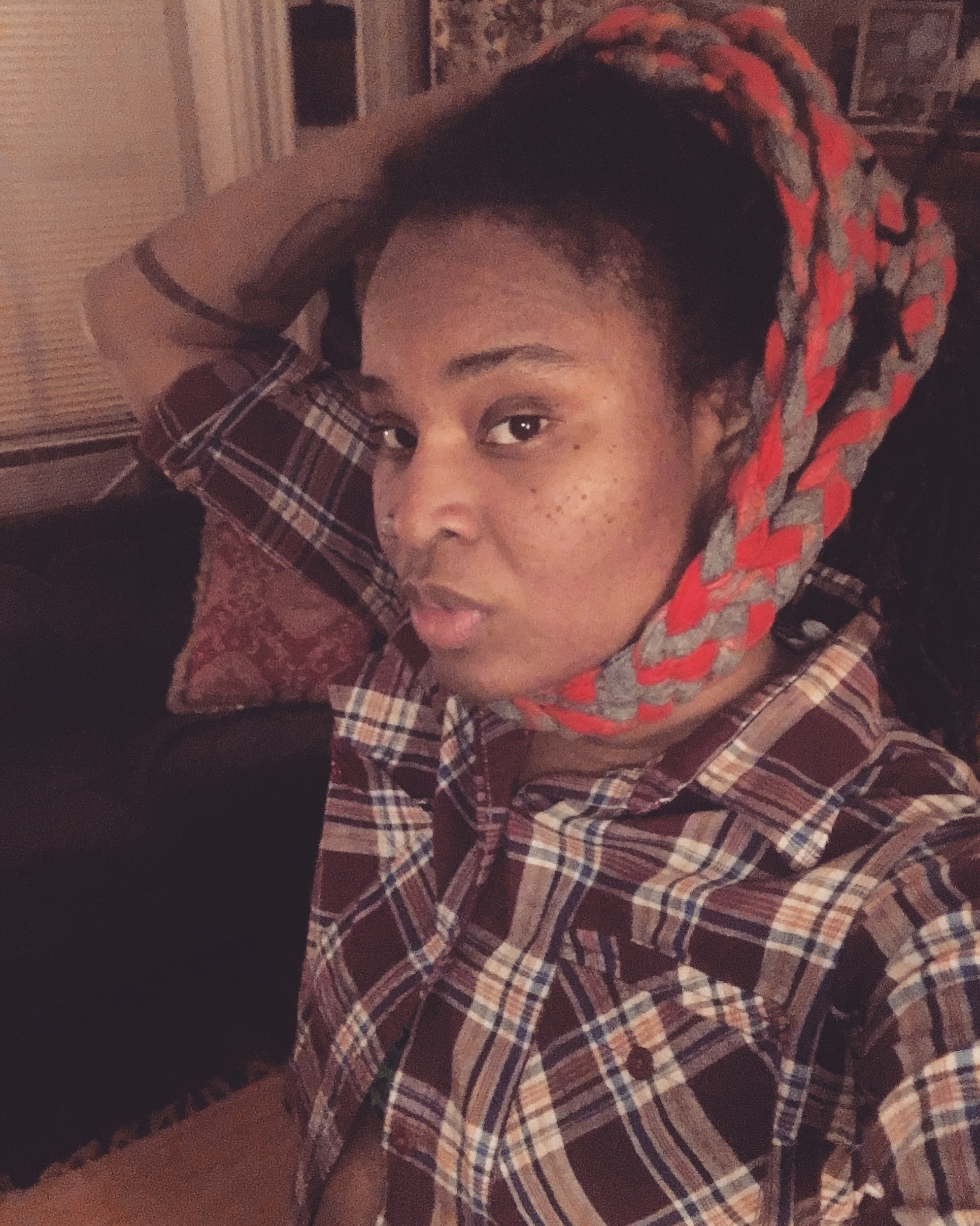


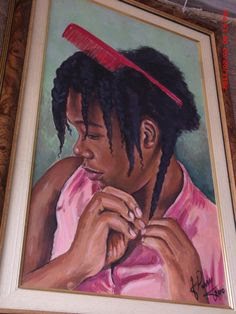


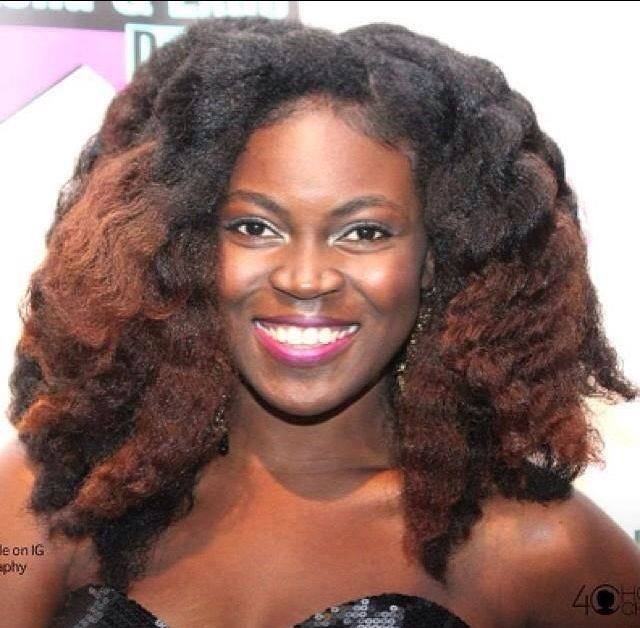
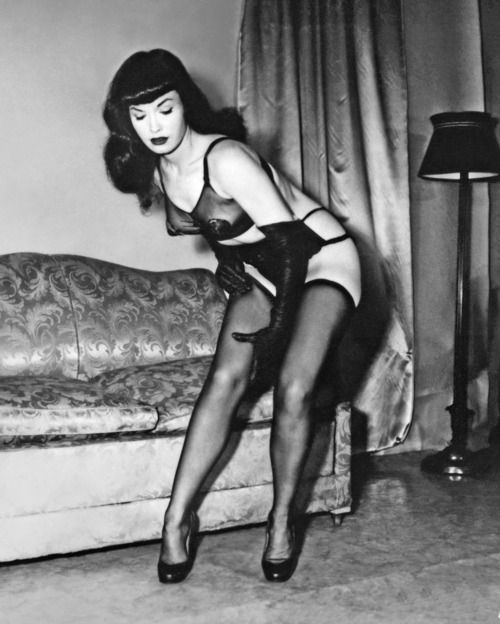
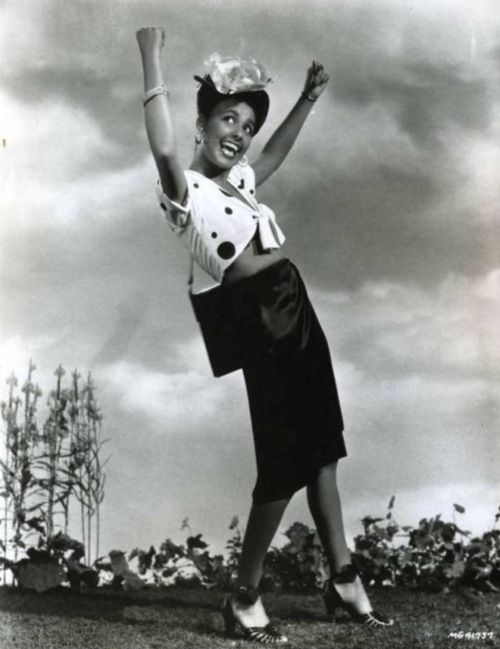
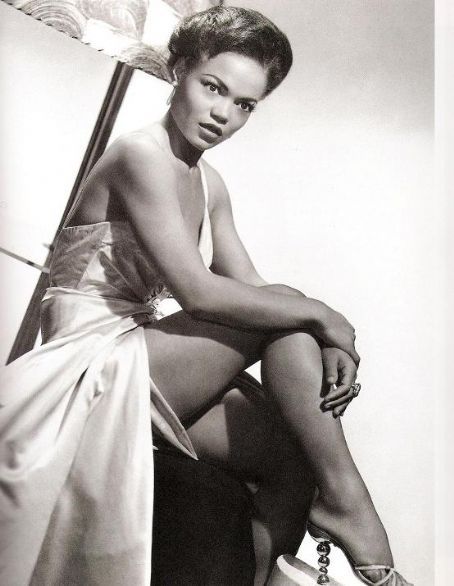
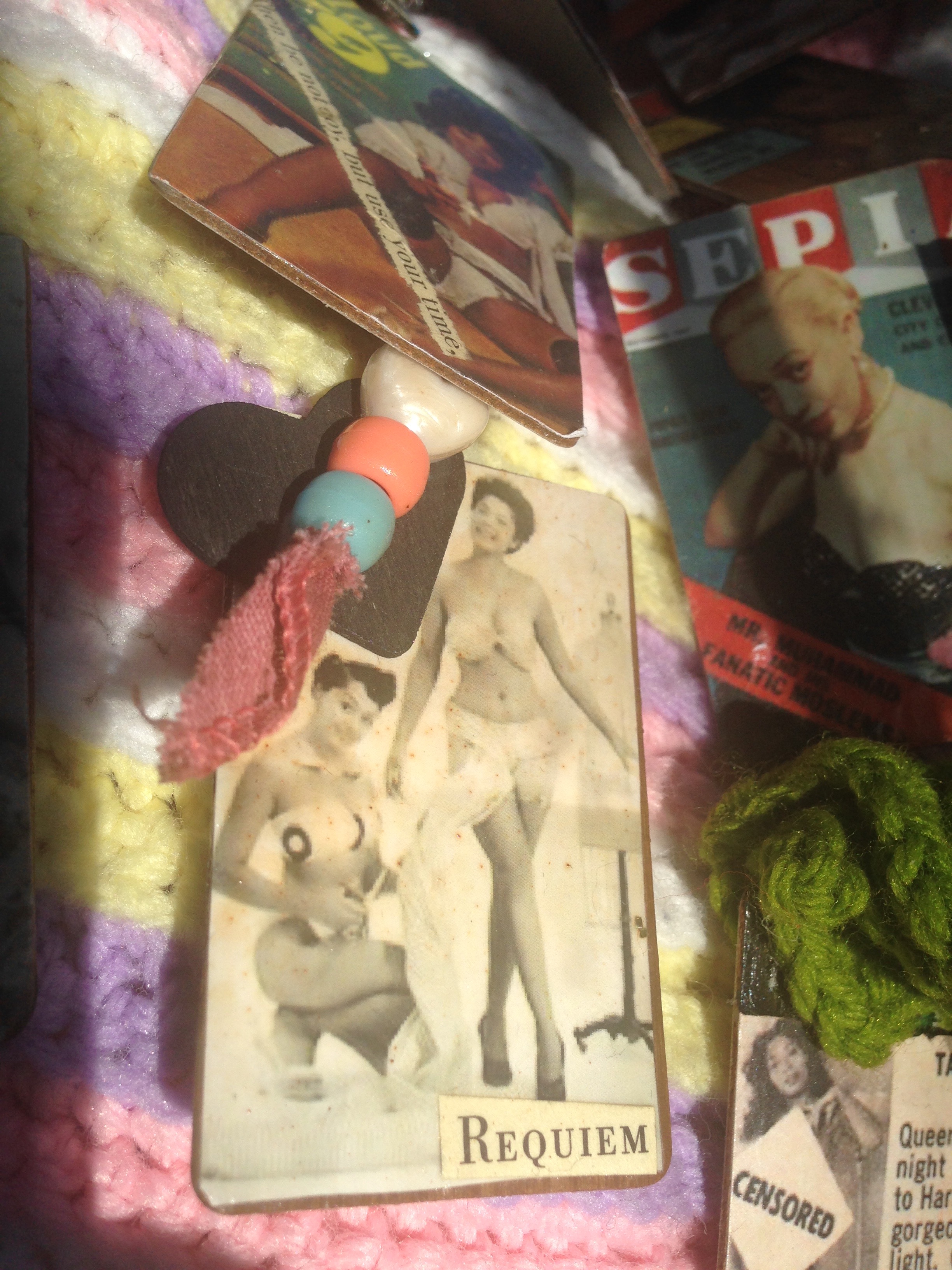
 My black pinup collectible series is the art I’m most proud. I first discovered that our legacy surpassed the obvious like Josephine Baker and Dorothy Dandridge about 5-years ago. I attended an event at the Art Scape festival in Baltimore Maryland. My best friend and I went to a “fetish” themed, interactive art performance. There was so much going on that it took us nearly all night to get around to everything. Towards the end of the performance there was a scene on pinup queens and burlesque. All of the pinup performers were white. The film they showed starred a white woman. The magazines, calendars, jewelry, tees, and art they sold were plastered with white women. My best friend and I shared a brief glance, a glance filled with unspoken sorrow and disappointment that we didn’t exist there, how black women in history could literally be glossed over in the 21st century without a thought. There was a void that only black women can understand.
 I asked the curator and one of the artists of the show where the black pinup models like Josephine Baker were. I assumed that there was more to the performance. She told me that she had never heard of any black pinup models before and that she really wouldn’t put Josephine Baker in the category of a “real” pinup model. I was hurt-it was written all over my expression. I couldn’t shake the feeling of how even a seemingly free thinking, college educated, white, female artist from a metropolitan area had no clue about any black pinup models, even just by chance during one of her college courses or something. I vowed to myself and my best friend that I would get to the bottom of all of this. It took me sometime, but I finally did my own research. I was down on myself thinking why I hadn’t thought of it sooner. It took me several weeks to find viable and honest resources about black pinup queens of the time, but I found about 100 images.





 GirlrillaVintage the Blog