
This morning I came across a post from a friend holding up a t-shirt with a swastika on it. The caption read, “Dope shirt from @spiritualpunx.” A woman in the comments was clearly hurt and began expressing her pain and anger at seeing that symbol.
I know the friend who posted it personally, and I can say with confidence there was no hateful intent behind their actions. They’ve recently been exploring the spiritual and cultural origins of the swastika—long before it was co-opted by the Nazi regime. But witnessing that woman’s reaction made me pause.
It reminded me just how deeply trauma can be triggered by symbols, even when intentions are pure. That friend is on a journey of self-discovery, but may not have fully considered how others—especially those still healing—might be impacted.
So I felt called to share this reflection, both as a creative and as a person of Afrikan descent:
I know how jarring and painful it is to see symbols that have been used to oppress and terrorize our people. I extend my deepest empathy to anyone affected by the Nazi regime’s hateful use of the swastika. I honor your pain. I honor your ancestors.
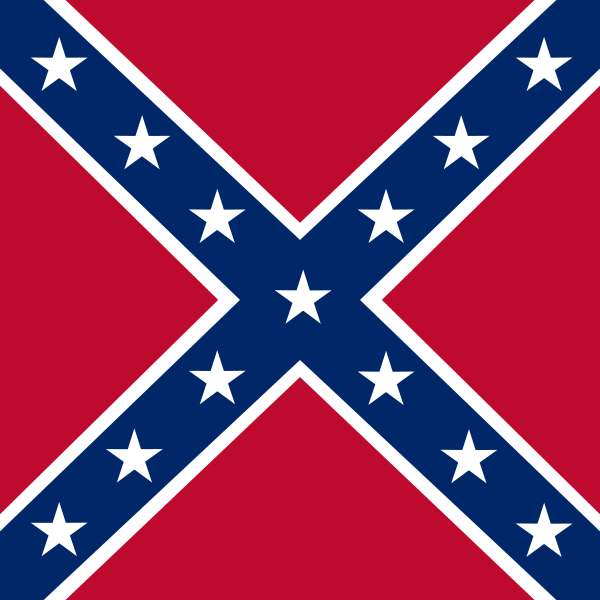
A few years ago, I experienced something that helped me deeply understand the emotional weight of such symbols. I’d seen too many Confederate flags flying boldly on trucks and clothing, often accompanied by hostile stares and threatening energy. One day, I asked a man why he displayed the flag. He looked me in the eye, called me the N-word, and told me he didn’t owe me anything. In that moment, it was painfully clear—his intent was rooted in hate, not heritage.
That experience stayed with me. But instead of shrinking, I decided to reclaim my power.
While thrifting one day, I found an old lunch pail that had a Confederate flags all over it. I purchased it—not as a keepsake, but as a social experiment. I wanted to test how people reacted when a Black person carried that symbol—and I wanted to flip its meaning by adding context and truth.
I taped a note to the front that read:
“Over 250,000 Black soldiers fought in the Civil War—including my grandfather, who fought at the Battle of Shiloh.”
The quote was from a young Black army veteran about his grandfather’s time in the service. The goal wasn’t to glorify the symbol, but to reclaim space—educate, disrupt, and start conversations. I wanted to challenge the default narratives surrounding these symbols and show that we are not passive victims of their false sense of power.
That moment was transformational for me. I realized that I had agency in how these symbols affected me—but I also recognize that not everyone is in that place of reclamation or experimentation. And especially when these symbols appear in public spaces, we must approach them with care, because people are still hurting.
To my friend: I know your heart. But when we engage with symbols that carry violent legacies, we must be intentional. We must educate ourselves and others. We must lead with care and humility.
Reclaiming and redefining symbols is a powerful part of growth. But it doesn’t erase the generational trauma many carry. We need to clarify our intentions, open up space for dialogue, and support those still navigating their wounds.
As a community educator, creative, and revolutionary, it’s my responsibility to move with integrity. That means offering context, practicing transparency, and always centering empathy. We don’t just post for aesthetics—we post with awareness and purpose.
If you’re curious about the deeper origins of the swastika, this article helped me begin to understand its sacred roots across many cultures:
The True Origins of the Swastika
Let’s stay educated. Let’s stay compassionate. And let’s be accountable to one another.
One Love,
TheeAmazingGrace

 GirlrillaVintage the Blog
As a child stories of my ancsetor who fought on the sides of the confederacy inspired my martial side so I joined the Marines. His service unburdened my spirit to the racist implications associated with the confederate battle flag. I acknowledge its southern heritage usage and categorically reject the minority that impose racist, fascist, antisemetic, white power associations. For them, I have my ancestors sword, read to relive your body of its misinformed head to save the body politic. Poetic justice that a dreadlocked afrikan should despatch you to the next highest energy level with a weapon used in the fight for the cause for which you’ve prevented the symbolism of the confederate battle flag.